
Recently there’s been a wave of schools hitting the headlines for their decisions around technology.
There’s no denying that technology has a place in education, but through these choices, schools are emphasising that traditional methods also have value.
Rather than eradicating tech completely in a kneejerk reaction, these schools are working out how to moderate screentime and maximise learning – it’s called purposeful integration.
During the remote learning shift in the pandemic, one study found that students preferred in-person teaching and reported higher engagement, learning, and understanding from traditional classroom teaching.
Traditional methods of teaching include face-to-face instruction, hands-on activities, and classroom interactions.
On the social side, students see and converse with the same group of people every day, and learn how to relate to their peers, communicate effectively and work in groups.
At the same time, teachers can evaluate students’ strengths and weaknesses more acutely, as they can see body language and other behaviour that inform them about individuals’ confidence and understanding in real time.
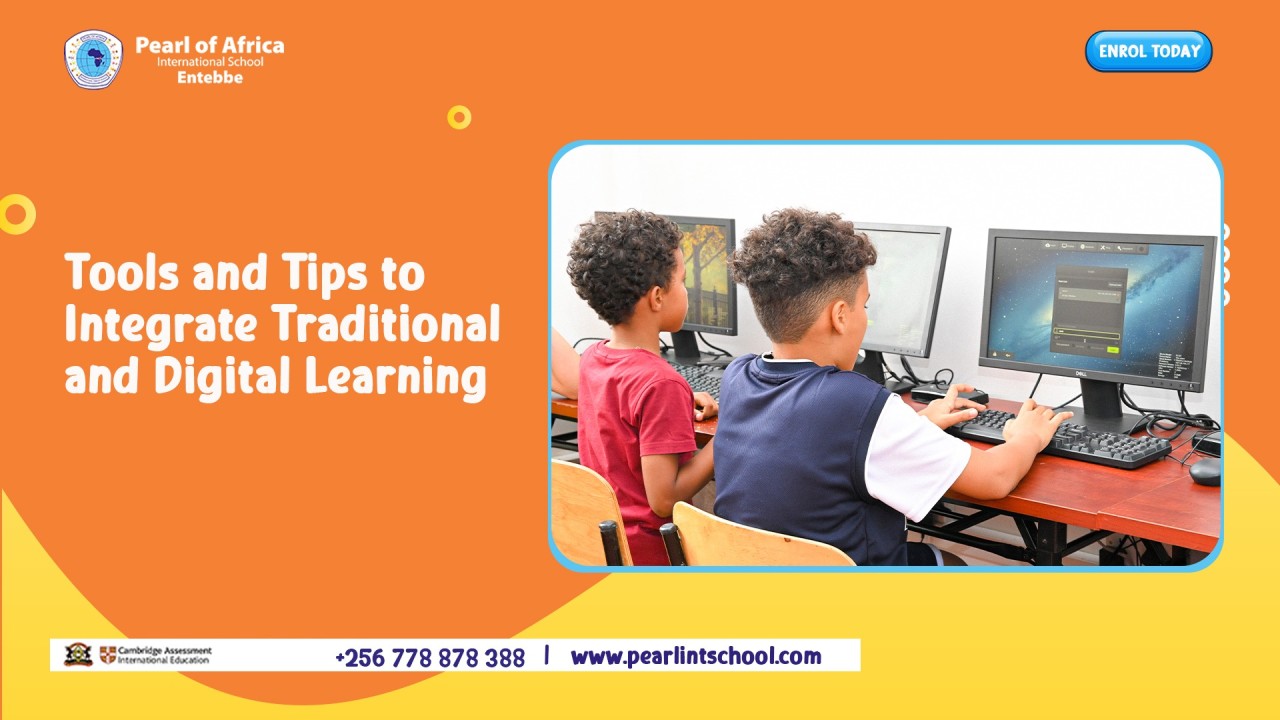
Digital learning ranges from interactive platforms, virtual reality headsets, and gamification tools. It requires equipment like tablets, laptops, and smart devices, which can allow students to learn independently and at their own pace.
Digital learning fuels students’ digital literacy skills, helping them navigate online functionality and content with greater ease. These skills have repeatedly been proven to be necessary for students in the future of work.
Perhaps the biggest strength of digital learning is its flexible, tailored learning pathways. Students get unique feedback on their progress, and some tools even adapt how content is delivered according to students’ needs.
Digital learning isn’t about replacing traditional methods, but enriching them. A mixed strategy fosters a more inclusive and interesting learning space, and gets students ready for the physical and digital worlds that they will be part of in the future.
By using digital learning in tandem with traditional teaching, schools can better prepare students for a multifaceted world.