There was a time when learning was easy to define. A teacher at the front, a textbook on the desk, and success measured by how much a learner could remember.
That picture is quietly changing.
Today, learning is becoming more interactive, more responsive, and more connected to how children actually think and engage with the world around them. It is no longer limited to what is written on the board. It is shaped by how learners question, explore, and apply what they are exposed to.
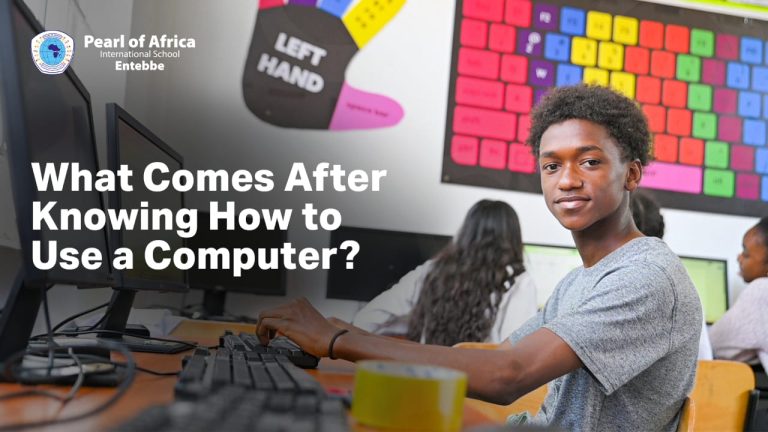
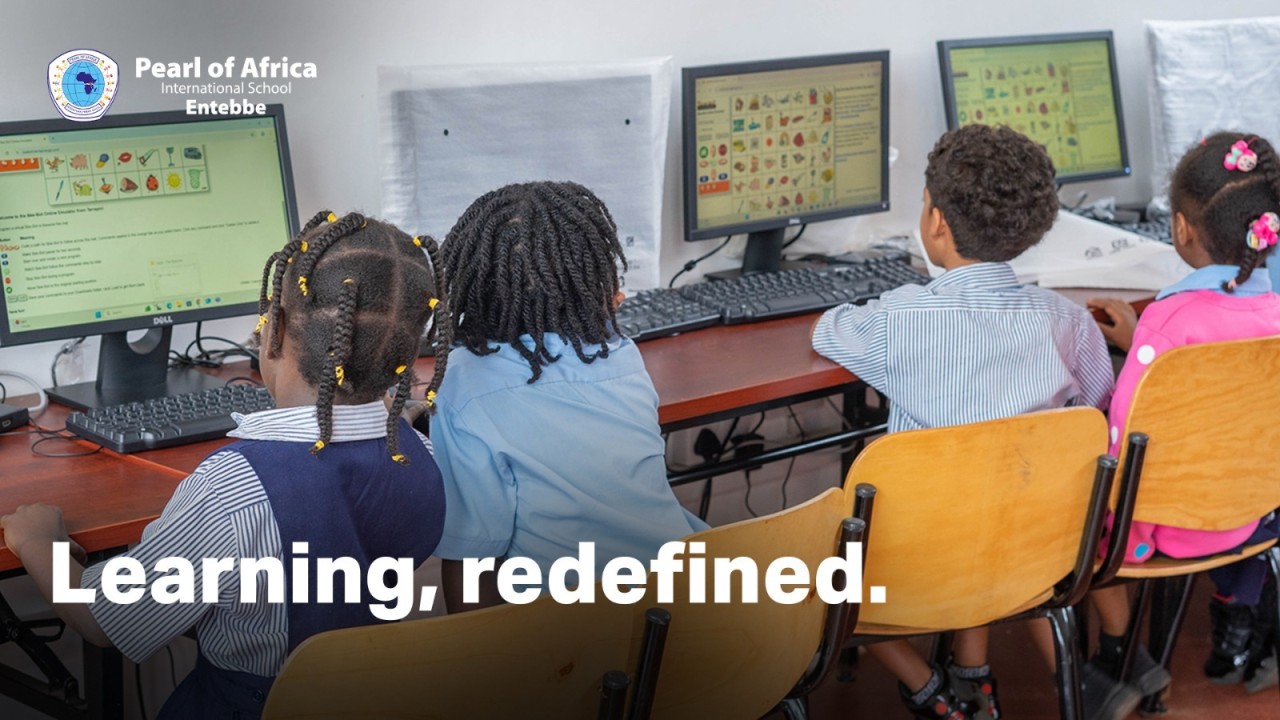
The integration of digital tools is playing a significant role in this shift.
In many classrooms, learning now extends beyond traditional methods into spaces where learners actively participate. A simple quiz is no longer just about getting answers right or wrong. It becomes a moment of reflection. A way for learners to test their understanding, see where they stand, and adjust as they go.
Interactive platforms have made this possible in a way that feels natural to today’s learner. Quizzes, short-form instructional videos, and guided assignments are no longer add-ons. They are part of the learning experience itself.
What stands out is not just the presence of these tools, but how they are being used.
Instead of waiting until the end of a topic to assess understanding, teachers are now able to see how learners are progressing in real time. A quick activity can reveal who has grasped a concept and who needs a different approach. This allows teaching to become more responsive, rather than fixed.
It also changes the role of the learner.
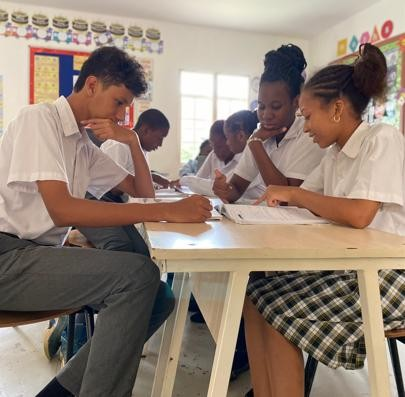
Rather than passively receiving information, learners are engaging with it. They are making sense of it in their own way. They are connecting ideas, asking questions, and applying what they learn through both practical activities and digital interactions.
In this kind of environment, understanding becomes more visible.
You see it in how a learner approaches a question. In how they explain their thinking. In how they move from simply recalling information to actually using it.
For schools, this shift requires intention.
It is not just about introducing technology into the classroom. It is about creating a learning environment where these tools support thinking, not replace it. Where digital platforms complement practical learning, and where assessment is ongoing rather than occasional.
The balance matters.
When used thoughtfully, digital tools do not complicate learning. They simplify it. They create space for clarity. They allow both teachers and learners to see progress as it happens, rather than after the fact.
And perhaps most importantly, they meet learners where they are.
Children today are growing up in a world that is already digital. Bringing elements of that familiarity into how they learn makes the experience more engaging, but also more meaningful.
The classroom may look different today, but the goal remains the same, to help learners understand what they are learning and feel confident using it.
And in many ways, that is what matters most.