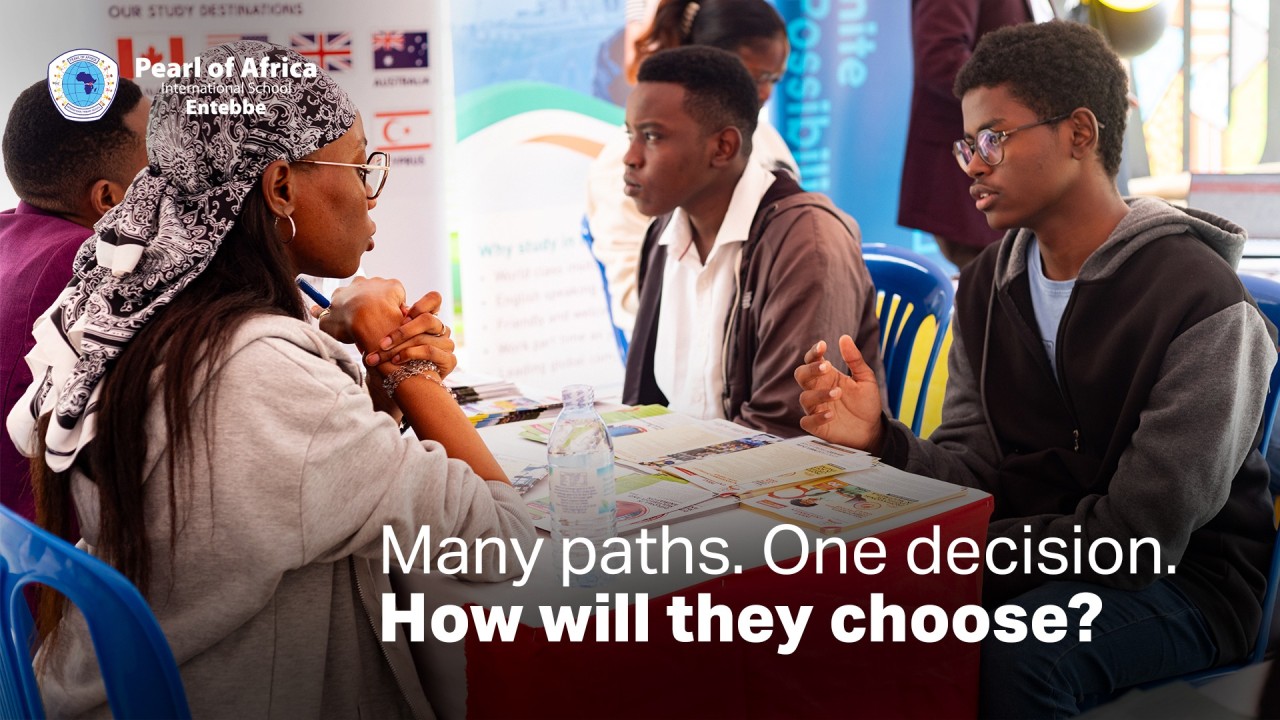
Choosing what comes next after high school can feel both exciting and daunting. Students face a crossroads with many paths: local universities, international programs, vocational training, or entirely new careers that didn’t exist a few years ago. Parents often wonder how best to support their child through these decisions. The key isn’t finding the “perfect” choice, it’s creating opportunities to explore, understand strengths, and make informed decisions that set the foundation for a fulfilling future. Schools that foster curiosity, provide guidance, and expose students to real-world possibilities help turn this uncertainty into a journey of discovery and growth.
Navigating the Options
From local campuses to international programs, the choices are wide and each opens a different door. National universities offer familiarity; a known academic system, close proximity to home, and often lower costs. International programs provide exposure to different cultures, teaching methods, and networks that can open doors to unique experiences and opportunities. Each choice comes with trade-offs: adapting to new environments, financial considerations, and sometimes being away from the support system students are used to. Understanding these pros and cons early allows families to make thoughtful, informed decisions.
Aligning Interests and Strengths
The process isn’t only about logistics; it’s about matching a student’s passions and abilities with the right path. Workshops, career events, and university fairs help students explore fields they are curious about. Seeing professionals and students in action allows them to imagine themselves in different roles and identify what truly excites them. Parents gain insight into these interests, making conversations about the next steps more meaningful and grounded in understanding.
The Power of Exploration
Trying new experiences, asking questions, and reflecting on personal strengths can reveal unexpected paths. It’s about learning what resonates and what challenges them and sometimes, discovering new ambitions entirely. Exploring options encourages students to take ownership of their decisions, building confidence in themselves and the direction they choose.
Career planning at this stage also builds skills that will serve students in life, not just in school: communication, curiosity, decision-making, and critical thinking. Exposure to different opportunities teaches them to weigh options carefully, consider consequences, and understand the connection between today’s learning and tomorrow’s possibilities.
The choices students make after high school don’t have to be intimidating. With guidance, reflection, and the chance to explore, these decisions can become opportunities to learn, grow, and chart a course that aligns with both their strengths and dreams. Supporting students through this stage is about equipping them with the confidence and insight to step into the future ready for what comes next.