The bell goes, books close, chairs move back and within minutes the school day changes pace. One child is already looking for a ball, another is finding a friend, while someone else finishes a snack or sits quietly before the next lesson begins. From the outside, it can look like a simple pause in the timetable. For children, those few minutes can be doing far more than giving them time away from class.
A large part of the school day is structured for them. Lessons have objectives, tasks have instructions and time is usually accounted for. Break time introduces a different kind of space, where children decide who to spend time with, what to do, when to join in and when to step back. These are small choices, yet they give children room to practise independence in ways that feel completely ordinary.
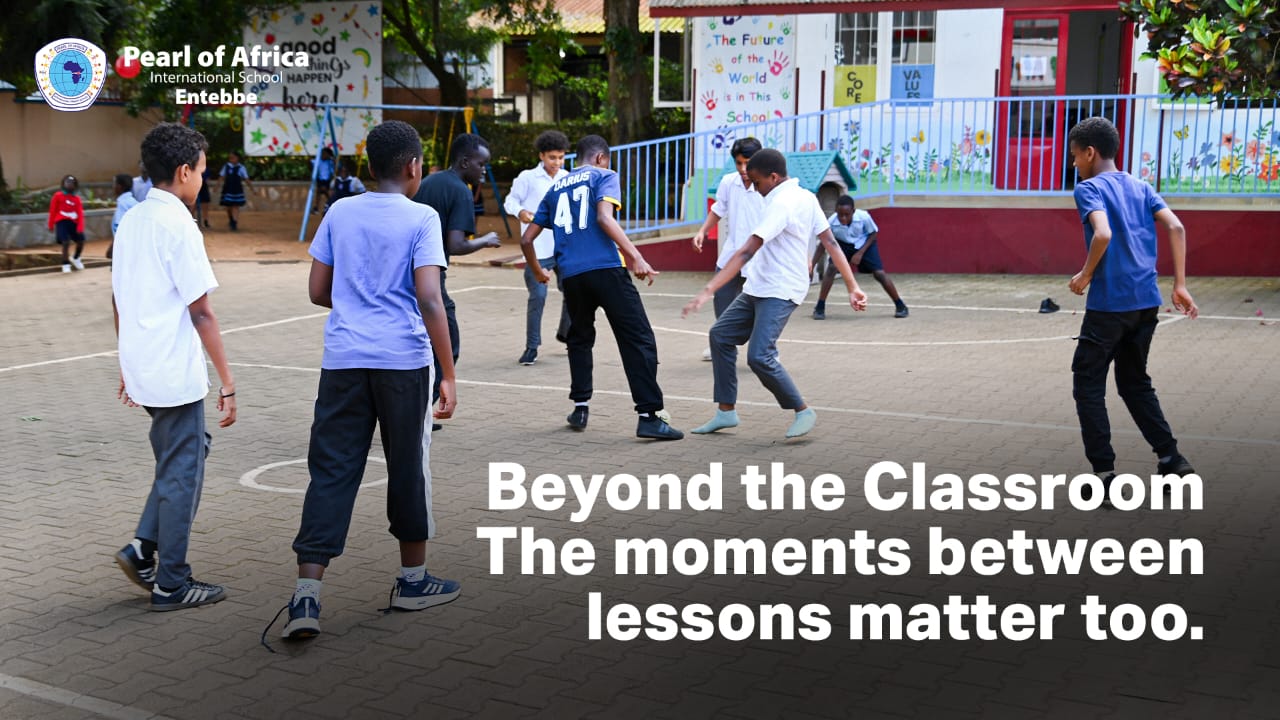
Play is one of the clearest examples. A football game can begin in seconds, often without an adult deciding the teams, the rules or who gets the first touch.
Children negotiate all of that as they go. They call for the ball, disagree over a decision, adjust when someone joins late and work out how to keep the game moving. In the middle of all that movement, they are learning how to communicate, cooperate, manage frustration and respond to other people.
Other children may spend the same break catching up with friends, revisiting a conversation from earlier in the day or simply sitting together. These repeated interactions help friendships grow gradually. A familiar face becomes someone they look for, a quick chat becomes part of the daily routine, and over time those small moments can help a child feel more settled and connected to the people around them.
There is value in having a genuine pause between lessons as well. Concentration takes effort, especially across a full school day. Moving around, talking, eating something or simply changing the environment can help children reset before they return to class. That change of pace gives the day a rhythm that makes room for sustained attention without making every minute feel tightly directed.
Break time can also reveal something important about confidence. Joining a game, approaching a group or speaking up when something feels unfair can take courage, particularly for a child who is still finding their place. These moments give children opportunities to test themselves socially, learn how others respond and become more comfortable navigating everyday situations without every interaction being organised for them.
At Pearl of Africa International School, these moments form part of the wider school experience. Time between lessons gives children space to move, talk, play and spend time with one another in a more relaxed setting. We value these everyday moments because they help children build relationships, grow in confidence and feel part of the school community around them.
For parents, it is understandable to focus on what was taught in class that day, what homework was given or what result came home. A child’s experience of school is also shaped by the everyday moments around them: the friendships they build, the conversations they have, the games they join, the choices they make and the sense of belonging that develops over time. These experiences may not always be visible in a report, but they become an important part of how a child experiences school each day.
Break time therefore deserves more attention within the wider picture of school life. It gives children room to connect, move, recover, make decisions and learn how to be with others. These everyday experiences contribute quietly to how children see themselves, how they relate to the people around them and how confidently they take their place within a community.
Sometimes, the moments that look least structured are the ones helping children learn how to navigate school life for themselves.