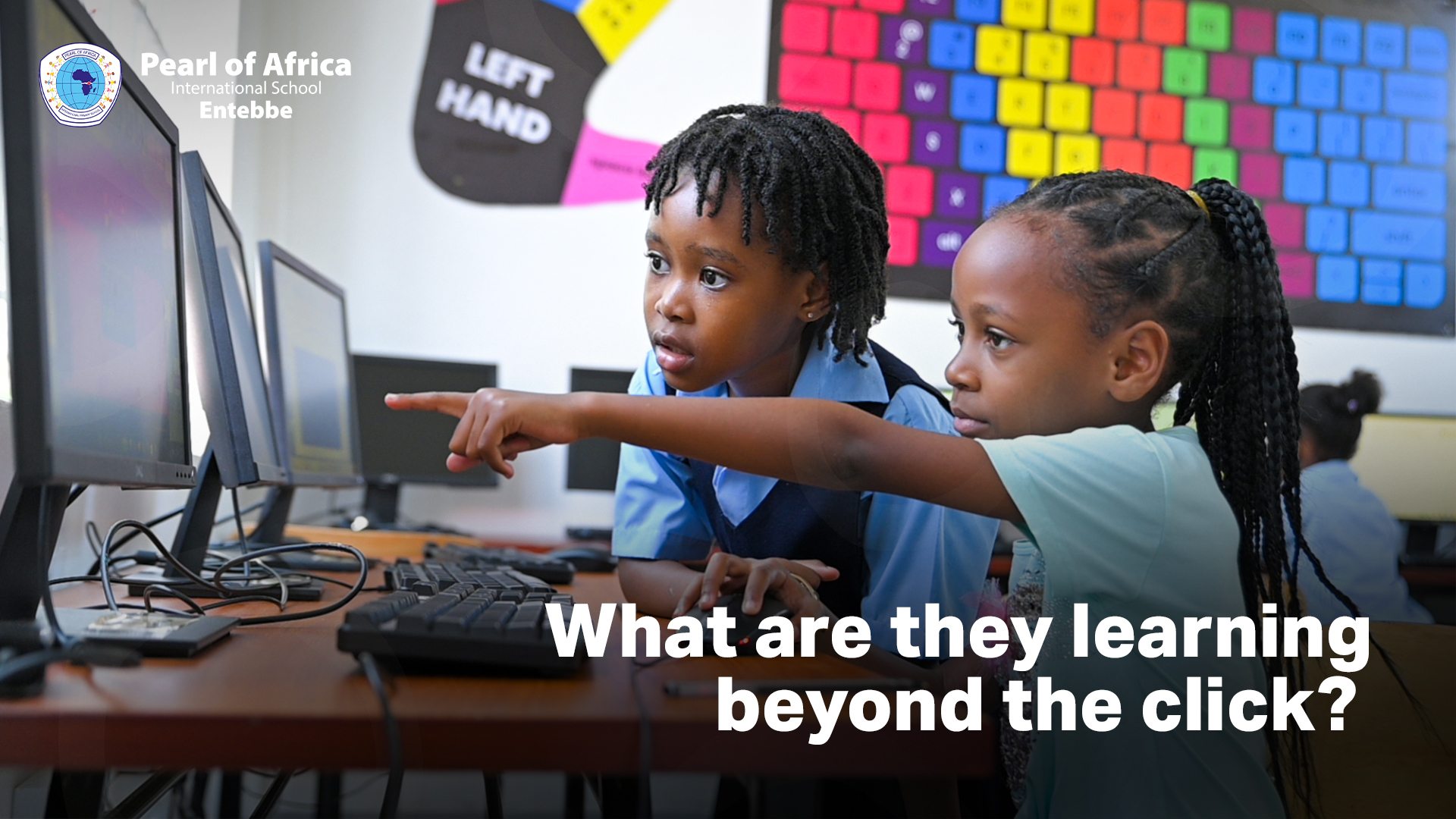
Watch them sit down at a computer today and you may be surprised by how little help they need. They click, search, open programmes and move from one task to another with a confidence that can make technology feel almost instinctive. Digital tools have become a familiar part of everyday life.
The bigger question is what happens after they know where to click.
As familiarity with computers grows, ICT learning needs to go further. It should develop the ability to find useful information, choose the right tool for a task, solve problems when something goes wrong and communicate ideas clearly through technology.
That learning can begin with something as ordinary as an online search.
Type a question into a search engine and hundreds of results may appear within seconds. Finding information is the easy part. The real work is deciding which result is useful, whether the information makes sense, what is relevant to the task and how it can be understood and presented clearly.
Those decisions matter more as access to information continues to grow. Being able to pause, question what appears on screen and decide what is worth using is becoming an important part of digital literacy.
At Pearl of Africa International School, this forms part of how we approach ICT learning in the primary years. Technology is not treated simply as something to operate. It becomes a tool for searching, creating, problem-solving and making sense of information.
Some of the most useful learning also happens when technology does not behave as expected.
An image may refuse to sit correctly in a document. A command may produce the wrong result. A coding activity may stop working halfway through. The next step is not always obvious, which means going back, checking what happened and trying another approach.
Sometimes the solution comes quickly. At other times, several attempts are needed. That process of testing, checking and adjusting builds the confidence to work through unfamiliar tasks instead of waiting for someone else to provide the answer.
Technology also provides another way to turn an idea into something that can be shared.
A presentation, digital project or piece of organised information involves more than choosing a programme and completing a task. There are decisions to make along the way. What information matters most? How should it be arranged? What will make it easier to understand? Which tool is best suited to the job?
Working through those questions develops judgement as well as technical ability. It encourages clearer thinking about how information is organised, communicated and understood.
ICT also extends beyond the computer lesson at Pearl of Africa.
Our teachers use digital tools such as Kahoot as part of classroom assessment. Responses can be gathered quickly, giving teachers a clearer picture of what has been understood and where a concept may need to be revisited. It is one practical example of how technology can support learning across the classroom rather than sit within a single subject.
As confidence with technology grows, another important skill begins to matter: adaptability.
The programmes and platforms used today will not remain the same forever. Interfaces change, new tools appear and familiar ways of working are replaced. What lasts are the habits developed through using technology well: knowing how to search, organise information, solve problems, communicate ideas and approach something unfamiliar without immediately giving up.
That is what makes ICT literacy valuable beyond a particular programme or device.
For us, meaningful ICT education in the primary years is about creating regular opportunities to build these habits. Over time, using technology becomes less about memorising the steps for one task and more about understanding how to approach the next one.
Knowing how to navigate a computer can happen remarkably quickly.
What deserves more of our attention is what happens after the click.