Think about everything a child experiences during a typical school week. There are lessons to understand, questions to answer and new ideas to make sense of. Somewhere between all of that, there might be a football match, a music session or an art activity that captures their interest in a completely different way. Each experience has something to offer, and together they raise an important question: how much of a child’s development depends on the opportunities available throughout the school day?
Academic learning naturally carries significant weight in education. Parents want their children to develop strong foundations in reading, writing, mathematics, science and other essential subjects. These foundations matter because they influence how children understand information, communicate ideas and approach increasingly complex tasks as they progress through school. However, the way children engage with what they are taught is equally worth considering.
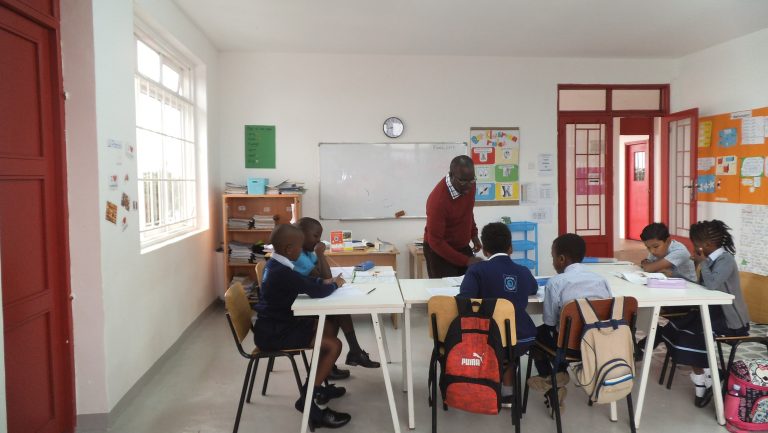
Active learning plays an important role in this process. When children are encouraged to ask questions, participate in discussions, solve problems and apply what they have understood, they become more involved in their own learning. A mathematics concept explored through a practical activity, for instance, may give a child another way to understand something previously explained on the board. Such opportunities allow children to think through ideas, make connections and develop greater confidence in using what they know.
The value of participation also extends into co-curricular activities, where children encounter different opportunities to explore their interests and abilities.
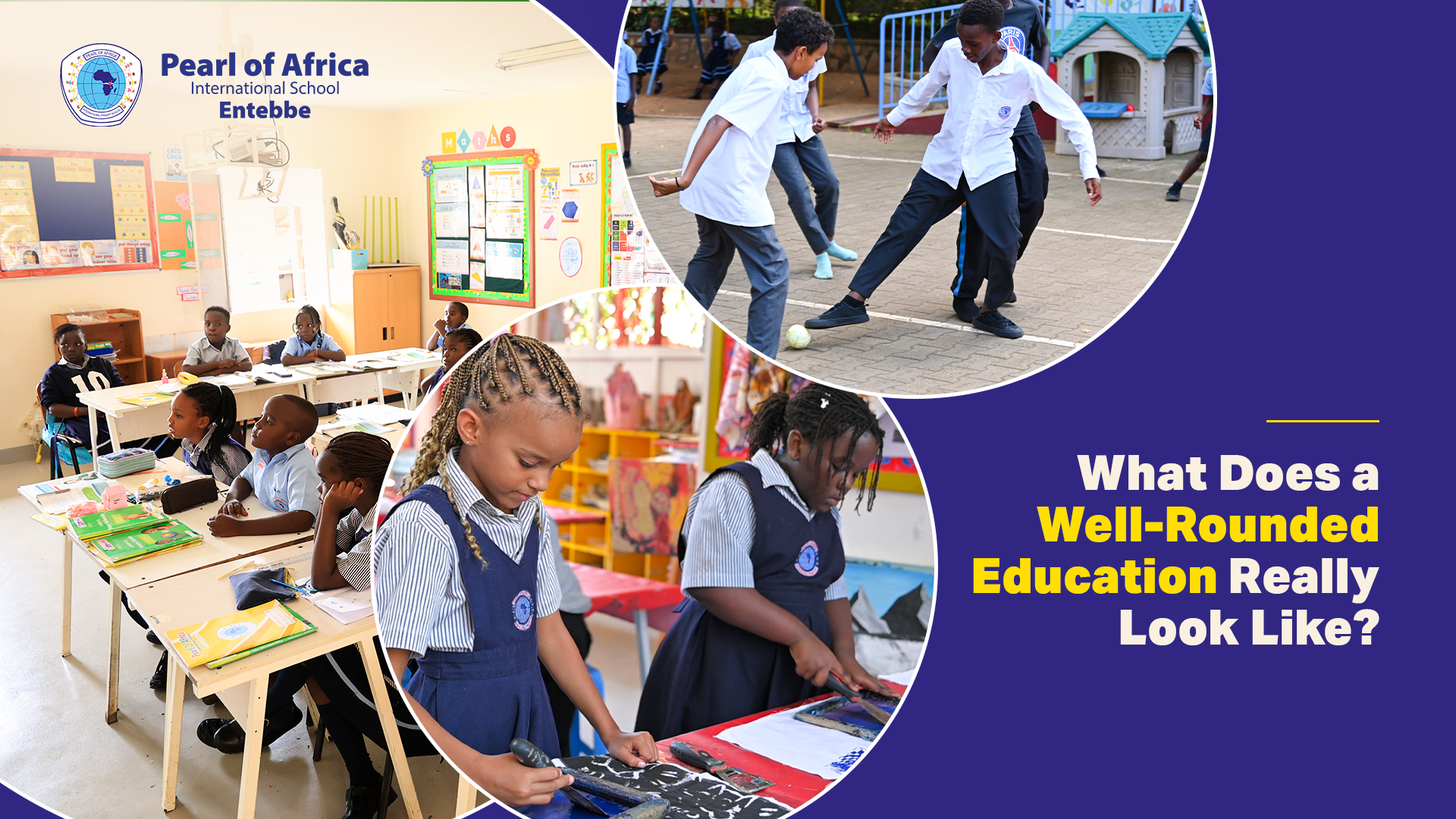
Consider a child who has never tried playing a musical instrument but discovers an interest in rhythm during a music lesson. Another may find that they enjoy organising teammates during a football game, while someone else develops a love for painting through regular art activities. These interests may begin with curiosity, but having opportunities to practise and receive guidance allows children to discover what they enjoy and how their abilities might develop.
Co-curricular activities can also contribute to skills that are useful across school life. Team sports encourage cooperation, communication and an understanding of shared responsibilities. Music and performing arts provide opportunities to practise concentration, preparation and self-expression. Creative activities invite children to experiment with ideas, make decisions and work through challenges. With continued participation, these experiences can support personal development alongside academic learning.
For schools, the important consideration is how these opportunities fit into the wider learning experience. A thoughtful approach makes room for academic progress, active participation and co-curricular engagement while recognising that children also need time to rest. It also allows different interests to emerge naturally, without expecting every child to excel in every activity.
At Pearl of Africa International Primary School, learning extends across classroom lessons and activities such as sports, music and art. These experiences provide opportunities for children to participate, explore their interests and develop different abilities while building the academic foundations essential to their education.
Ultimately, a well-rounded school experience depends on how children are supported across the different parts of their development. The knowledge they gain, the interests they discover and the opportunities they have to practise new skills all contribute to their growth.
For parents, this makes it worth looking beyond the timetable to consider how a school brings these experiences together and what children are encouraged to take away from them.